How to Choose a Whale Watching Excursion
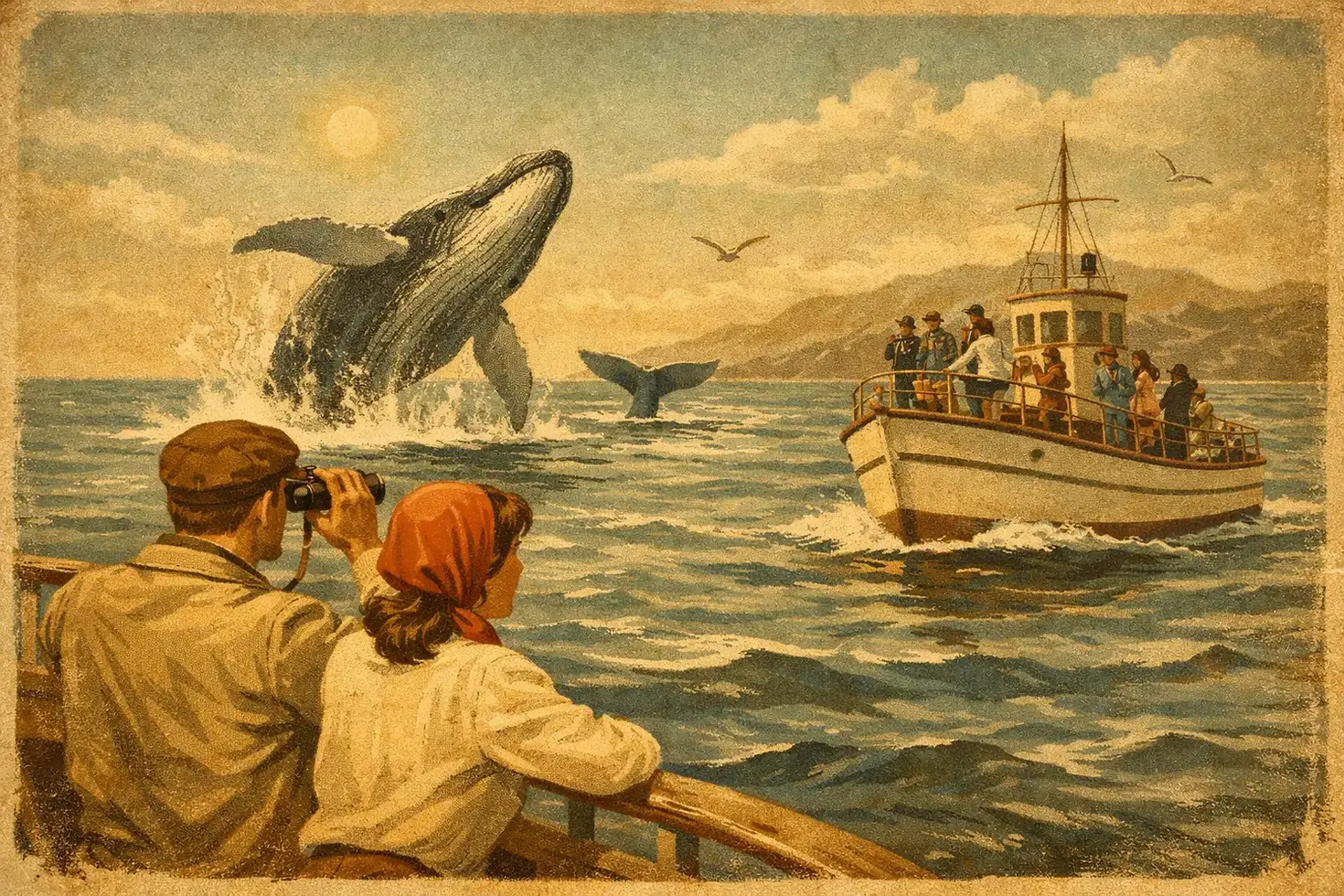
A humpback whale surfacing beside the boat is the kind of Punta Mita memory that stays with you long after vacation ends. But the experience can feel very different depending on the operator, boat, group size, and conditions that day. Knowing how to choose a whale watching excursion helps you spend less time wondering whether you booked the right trip and more time enjoying the bay with confidence.
Whale watching in Banderas Bay is not a staged attraction. These are wild animals moving through a large, changing marine environment. A great trip respects that reality while giving your family, partner, or group a comfortable, well-guided opportunity to see them.
Start With the Right Season in Punta Mita
Timing is your first decision. Humpback whales typically visit the waters around Punta Mita and Banderas Bay during the winter season, generally from December through March, with sightings sometimes extending into April. They arrive to breed, give birth, and care for their calves in the region's warm Pacific waters.
That seasonal window does not mean every outing looks the same. Early and late season can be quieter, while peak winter months may bring more consistent activity. Ocean conditions, weather, and the whales' behavior still shape each day. A responsible captain will never promise a sighting, but experienced local crews know how to read the water, notice bird activity, and work within the areas where whales are often traveling.
If whales are the main reason for your excursion, book during the heart of the local season and leave some flexibility in your itinerary. A second available morning can be valuable if wind or weather makes one day less comfortable.
Choose a Whale Watching Excursion Based on the Boat
The best boat is not always the largest one. It is the one that suits your group, your comfort level, and the conditions on the water.
A private or small-group boat often creates a more personal experience. You have room to move, ask questions, and enjoy the moment without competing for a view over a crowded rail. This is especially helpful for families with children, couples celebrating a special trip, and guests staying in Punta Mita who prefer a more relaxed pace.
Smaller boats can also provide a closer connection to the ocean, but they may feel more movement in choppy conditions. If anyone in your group is prone to motion sickness, ask about the boat's size, shade, seating, restroom availability, and ride time before booking. Taking motion-sickness medication as directed by your doctor before departure can help, and a light meal plus plenty of water is usually a better plan than boarding on an empty stomach.
For experienced ocean travelers, a panga-style boat can feel exciting and direct. For grandparents, young children, or anyone who wants a smoother ride, comfort and stability may matter more than speed. There is no universal right answer. The right choice depends on who is coming with you.
Look for Local Guides, Not Just a Boat Ride
A boat can take you offshore. A knowledgeable guide turns that time into an experience.
Choose an operator whose captain and crew understand Banderas Bay, local weather patterns, navigation, and marine wildlife behavior. They should be able to explain what you are seeing in a clear, welcoming way, whether that means pointing out a whale's blow in the distance, describing why a calf stays close to its mother, or helping kids identify dolphins, sea turtles, and seabirds along the way.
Local knowledge also matters for safety. Conditions can shift quickly on the Pacific, especially later in the day. A skilled captain makes thoughtful decisions about route, speed, and when to return, rather than treating the schedule as more important than passenger comfort.
Ask who will be leading the trip and whether the crew is experienced with families. The strongest operators make first-time guests feel at ease without making the outing feel overly scripted. You should feel welcome to ask questions before boarding and during the excursion.
Responsible Wildlife Viewing Is Non-Negotiable
The most exciting sightings are often the ones that happen naturally: a tail slap, a breach in the distance, a mother and calf traveling together, or a curious whale surfacing near the boat. Those moments do not require chasing or crowding animals.
Choose a company that follows respectful viewing practices. Boats should keep an appropriate distance, avoid cutting across a whale's travel path, limit time around an animal when other vessels are waiting, and give mothers with calves extra space. The crew should approach slowly and allow the whales to decide their own direction.
Ethical viewing is not only better for the animals. It usually makes the trip better for guests, too. A calm boat with a patient captain gives you time to watch natural behavior, take photos, and appreciate the scale of the encounter without turning it into a race.
Be cautious of operators who guarantee close contact, promise that guests will touch wildlife, or treat a whale sighting as something they can control. Wildlife is unpredictable, and that unpredictability is part of what makes a day on the bay memorable.
Ask What Is Included Before You Book
A few straightforward questions can prevent disappointment later. Confirm the departure location, total time on the water, maximum number of guests, and whether the outing is private or shared. If you are staying at a resort or vacation rental, make sure you understand travel time to the marina or pickup point.
You should also ask about life jackets, drinking water, shade, and the plan for children. Quality operators provide safety equipment and explain how it is used before leaving the dock. If you have a child who is small for their age, confirm that an appropriate life jacket is available rather than assuming.
Photography is another useful consideration. Your phone may capture wonderful moments, but salt spray and boat movement can make it difficult. Bring a secure strap or waterproof case, and do not spend the whole trip looking through a screen. A guide can often suggest the best side of the boat for photos when whales are nearby.
For a special occasion, private charters offer more flexibility. You may be able to choose a preferred departure time, take a slower route, or combine wildlife watching with a scenic cruise around Punta Mita. Shared trips can be a smart value for smaller parties, particularly if you enjoy meeting other travelers. Decide whether privacy or price is the greater priority for your group.
Put Safety and Comfort Ahead of a Packed Schedule
Do not schedule your whale watching trip between breakfast, a spa appointment, and dinner reservations. Give the outing room to breathe. Arrive early, use the restroom before departure, bring sun protection, and wear a light layer for the boat ride. Even warm coastal mornings can feel cool when the boat is moving.
Morning departures are often a favorite because the bay may be calmer and the light is beautiful, but conditions vary. Your captain should be honest if weather calls for a later start, a route change, or rescheduling. That is not a disruption to a quality experience. It is evidence that the crew takes the ocean seriously.
At Punta Mita Surf Club, our approach to time on the water is personal, safety-focused, and shaped by real local conditions. We want every guest, from curious kids to lifelong ocean lovers, to feel looked after from the first question through the ride back to shore.
Make Room for the Unexpected
The best whale watching excursion is rarely the one with the most aggressive itinerary. It is the one that gives you a comfortable boat, an experienced local crew, and enough time to let the bay reveal what it has to offer.
You may see a full breach that sends everyone reaching for their camera. Or the most meaningful moment may be quieter: a whale's breath rising over calm water, a calf rolling beside its mother, and your whole group pausing to watch. Choose the crew that knows how to protect that moment, then bring your curiosity and let the ocean do the rest.


